Event Strategy
Why Limited Attendance Matters
A smaller academy allows for stronger interaction with faculty, better questions and deeper discussion.
3 min read
Aug 7, 2026

Liposuction has been reinvented more than once. It began under general anesthesia in a hospital, limited by the very real danger of anesthetic toxicity when treating large areas. Then, in the late 1980s, the tumescent technique changed everything — suddenly large zones of fat could be treated safely, and the field opened up. Since then, a steady march of energy-based technologies — ultrasound, power, laser, and beyond — has pushed what's possible further with each generation.
High-definition body sculpting sits at the leading edge of that evolution. And understanding why the tools matter — not just that they exist — is part of what separates a technician from an artist.
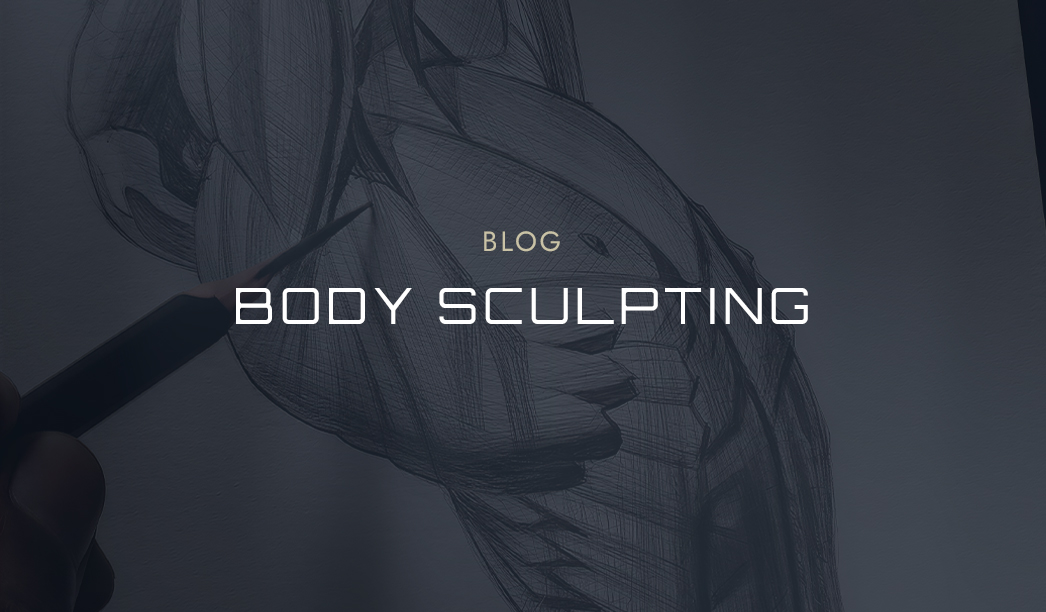
Traditional liposuction removes fat. That's useful, but it's blunt. What high-definition sculpting requires is selectivity — the ability to work in precise planes, to refine superficial layers around a muscle's contour without damaging the structures that give the body its natural highlights and shadows.
Ultrasound-assisted platforms like VASER earned their place in this work because they let the surgeon target fat while treating surrounding tissue more gently — which matters enormously when the goal is not just less fat, but a deliberately shaped, athletic, natural-looking result. The technology is what makes the artistry repeatable.
Here's what surprises many surgeons new to high-definition work: the fat you remove is not waste. In Dr. Hoyos's framework it's described as liquid gold — a resource to be harvested, processed, and strategically re-placed to add fullness exactly where the aesthetic ideal calls for it. In men, that might mean augmenting the pectoral or deltoid region; in women, restoring feminine curve and proportion.
Sculpting, in other words, is a two-sided craft: subtraction to create shadow, and addition to create light. Mastering the interplay — how to harvest well, process correctly, and place fat so it survives and looks intentional — is a discipline in itself.
Owning the platform is not the same as knowing how to use it to sculpt. The settings, the sequence, the planes, the judgment of when to stop — that expertise is earned in the operating room, watching a master work and then doing it yourself.
At the Beverly Hills Body Academy, Dr. Alfredo Hoyos and Dr. Ashkan Ghavami demonstrate the full arc — from technology and technique to fat grafting and finishing — across three days of live surgery and hands-on cadaver-lab work.
Grounded in the published foundations of high-definition body sculpting. The hands-on application — settings, sequences, and technique — is taught only at the course.
Continue reading: The Skin Laxity Challenge